
Cremation services in Kilgore, TX, have seen a significant uptick in demand, mirroring national trends where over 60% of families now choose cremation over traditional burials. This shift has prompted many to question the costs involved and the options available to them. East Texas Funeral Home, nestled in the heart of Kilgore, TX, offers a comprehensive range of cremation services designed to meet varying budgets and preferences, ensuring dignity and respect for both the departed and their families.
The Financial Landscape of Cremation Services
The preference for cremation services in Kilgore, TX, stems from several factors, including financial considerations, environmental concerns, and a desire for simpler, more flexible funeral arrangements. However, understanding the costs associated with cremation can be complex, as they vary widely based on several factors.
Direct Cremation:
This is the most cost-effective option, involving the cremation of the body without a formal funeral service beforehand. Direct cremation prices can range significantly, but they offer a straightforward, affordable choice for families.
Cremation with Memorial Service:
Opting for a memorial service either before or after the cremation adds to the cost due to the need for a venue, services of a funeral director, and other related expenses. This option allows families to honor their loved one with a service that can be personalized to reflect the life lived.
Cremation with Viewing:
For those who wish to have a viewing or visitation before the cremation, costs will include embalming, rental of a casket, and the use of facilities for the cremation service. This option combines traditional elements with the simplicity of cremation.

Additional Costs to Consider
When considering cremation services, families should also account for several additional costs that can affect the overall budget:
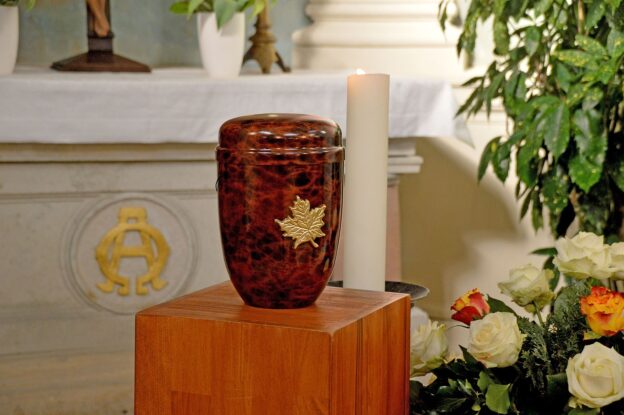
- Urn Selection: The choice of urn for storing the ashes can vary from simple and affordable to elaborate and pricey.
- Cemetery Fees: If choosing to bury the urn in a cemetery, plot purchase and burial fees apply.
- Memorial Products: Items such as memorial jewelry or keepsakes can add personal touches to remember a loved one.
- Travel and Transport: Costs for transporting the remains, either domestically or internationally, can also factor into the total expenses.
Navigating Costs with East Texas Funeral Home
At East Texas Funeral Home, we understand that discussing and planning for cremation costs can be a challenging aspect of saying goodbye to a loved one. We’re committed to transparency and support through every step of the process, offering a variety of packages to suit different needs and budgets. Our dedicated team in Kilgore, TX, is here to help families understand their options, including the benefits and limitations of each cremation choice.
Conclusion: Making Informed Choices
The decision to opt for cremation comes with many considerations, especially regarding costs and services. By understanding the various options and associated expenses, families can make informed decisions that honor their loved ones without undue financial burden. East Texas Funeral Home is here to guide families in Kilgore, TX, through these decisions, providing compassionate support and professional advice on cremation services that reflect the wishes of both the deceased and their loved ones.
For more information on cremation services in Kilgore, TX, or to discuss your options with a compassionate funeral professional, visit East Texas Funeral Home today. Let us help you make a decision that’s right for you and your family during this difficult time.



 The decision to opt for cremation services, opens various possibilities for memorialization. From traditional services to more unique celebrations of life, cremation allows families the freedom to choose how they wish to commemorate their loved ones. Whether it’s a serene scattering ceremony, a peaceful resting place for the urn, or a memorable keepsake shared among family members, the focus remains on personalization and respect for the departed’s wishes.
 If you are considering cremation, it’s essential to work with a provider who can offer support, expertise, and appropriate services. Navigate your options patiently and seek assistance whenever required.

 Remember, the best choice is one that mirrors your desires, beliefs, and financial considerations. Whether you choose cremation, burial, or another method, the most important thing is that it offers you and your loved one peace and closure.
 We understand the profound role that funeral vaults play in safeguarding cherished legacies. Trust in our long-standing expertise with
 Making the Decision
 The grief of losing a loved one is never easy, but through life celebrations, we can commemorate the beauty of their life in a way that fosters healing and connection. These ceremonies not only pay tribute to their life but also celebrate the love and happiness they brought to ours. To give your loved ones a fitting tribute, consider planning a life celebration. For those residing in this community, and contemplating
 Making the Decision